
QUALITY IS
RARELY AN ACCIDENT.
For heritage buildings, demanding installations and working premises, the difference lies in the decisions made before, during and after the electrical work. IGR puts those decisions at the centre of the job.
Discover the difference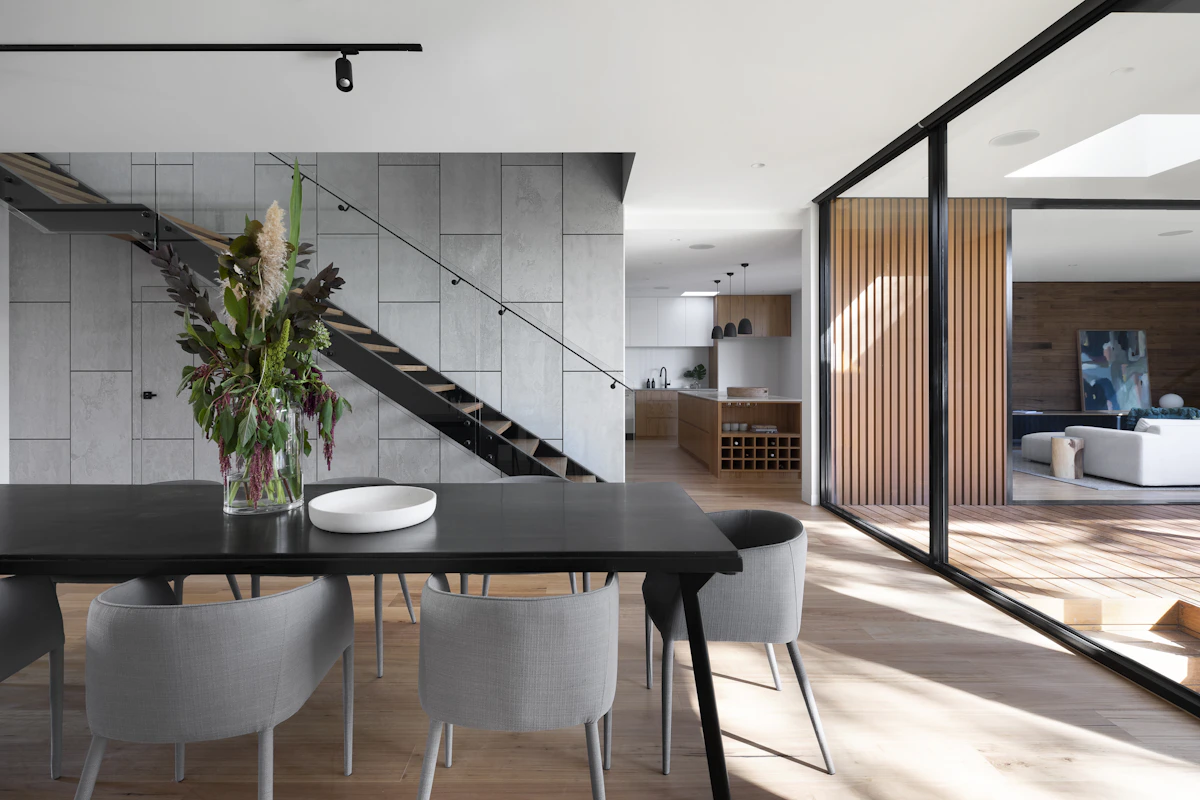
THE RIGHT DECISION CAN MATTER LONG AFTER THE WORK IS DONE.
A quotation tells you what a project is expected to cost. It does not always reveal the consequences of the approach behind it.
On a sensitive property or an operational site, disruption, access, materials, existing conditions and future maintenance all deserve consideration. IGR’s aim is to recommend work that makes sense for the building and the people who use it—not simply the quickest-looking route to completion.
WHAT A CONSIDERED APPROACH MEANS FOR YOU.
Not six promises about being better than everyone else. Six aspects of the job that can make a real difference to your experience and the finished installation.
Start with the actual brief
Consider how the property is used, the existing installation and any technical or architectural constraints before selecting a solution.
For you: fewer assumptions at the outset.
Work around the property
Consider access, occupied spaces, finishes and sensitive fabric when planning how electrical work will be carried out.
For you: a method shaped around the building.
Choose suitable methods
Match the materials, equipment and installation technique to the environment, rather than assuming one approach suits every project.
For you: decisions based on the requirement.
Make the options clear
Discuss the proposed scope, uncertainties and practical alternatives, with changes addressed before additional work proceeds.
For you: a clearer basis for decisions.
Consider future access
Where relevant, factor in testing, maintenance access and the possibility of future changes to the electrical installation.
For you: fewer avoidable compromises later.
Keep responsibility connected
Take a focused approach to communication, workmanship and the completion of the agreed work.
For you: a more accountable working relationship.
 Behind the finish · Illustrative photography
THE DETAILS BEHIND THE FINISHED RESULT.
A finished switch, light fitting or distribution board tells only part of the story. Decisions about routing, access and coordination may be less visible, but can be central to a successful installation.
- 01Routing and accessChoosing workable routes while considering the surrounding property.
- 02Other trades and occupantsPlanning electrical work in the context of the wider project or operational building.
- 03Existing materials and finishesConsidering how installation methods affect sensitive surfaces and architectural details.
- 04Testing and future useThinking about the installation beyond the day the work is completed.
GOOD PRINCIPLES NEED REAL EXAMPLES.
The best way to judge a contractor is to understand the work they have actually carried out.
Explore the projects IGR is preparing to document, including sensitive heritage settings and specialist electrical environments. Each published case study should make the scope, challenges and IGR’s role clear.
Explore projects & case studiesEvidence, not adjectives.
- The building and its particular requirements
- The electrical challenge and scope of work
- The approach taken and why it was appropriate
- Photographs and a verifiable outcome, where permission allows
Project references and photographs are being checked with Peter before public release.
FIND THE EXPERIENCE RELEVANT TO YOUR PROJECT.
Respecting the building
Electrical work in sensitive environments needs careful thought about existing fabric, appearance and suitable installation methods.
Explore heritage workSupporting working premises
For property managers and commercial clients, communication, site constraints and sensible follow-up are particularly important.
Explore maintenanceChoosing the right solution
From planned installations to specialist requirements, start with the scope and technical needs of the property.
Explore servicesBEFORE YOU MAKE AN ENQUIRY.
Can I discuss a project before the full scope is finalised?
Yes. You can describe the building, the electrical requirement and what is still uncertain. IGR can then discuss whether the work is a suitable fit and what information would be useful next.
Does IGR work on occupied or sensitive properties?
IGR’s focus includes sensitive properties and environments where access, finishes and the people using the building need consideration. The appropriate approach depends on the particular site and scope.
What happens if unforeseen conditions are discovered?
Existing installations can present uncertainties. The aim is to explain relevant findings, discuss available options and agree any necessary change in scope before proceeding.
Can I ask about maintenance or ongoing commercial support?
Yes. Share the property type, location, likely scope and any expected service arrangements. Peter can then confirm whether IGR can accommodate the requirement.
Where can I see examples of IGR’s work?
The Projects & Case Studies page is being developed around verified project references and approved photography. Additional details will be published once Peter has confirmed them.
THE RIGHT WORK STARTS WITH THE RIGHT QUESTIONS.
Tell IGR about the building, the electrical requirement and any unusual constraints. Peter can then discuss whether the project is a suitable fit and the next steps.
Discuss your project